
Working from home has become a normal part of life for many Australians, whether full-time, part-time, or as part of a flexible hybrid routine. While the convenience is great, spending more time at home often means increased energy use, especially during the middle of the day when appliances, computers, heating, cooling, and kitchen devices are all working harder.
The good news is that a few practical changes can make a noticeable difference to your electricity bills without disrupting your workday.
Be Smart With Heating and Cooling
Heating and cooling are often the biggest contributors to household energy use, especially if you’re home throughout the day.
Instead of heating or cooling your entire home, focus on the room you’re actively using where possible. Closing doors, improving airflow, and using ceiling fans to support heating or cooling can help reduce energy consumption while maintaining comfort.
If your system has timers, scheduling, or zoning features, make the most of them to avoid running your system harder than necessary.
Reduce Standby Power Usage
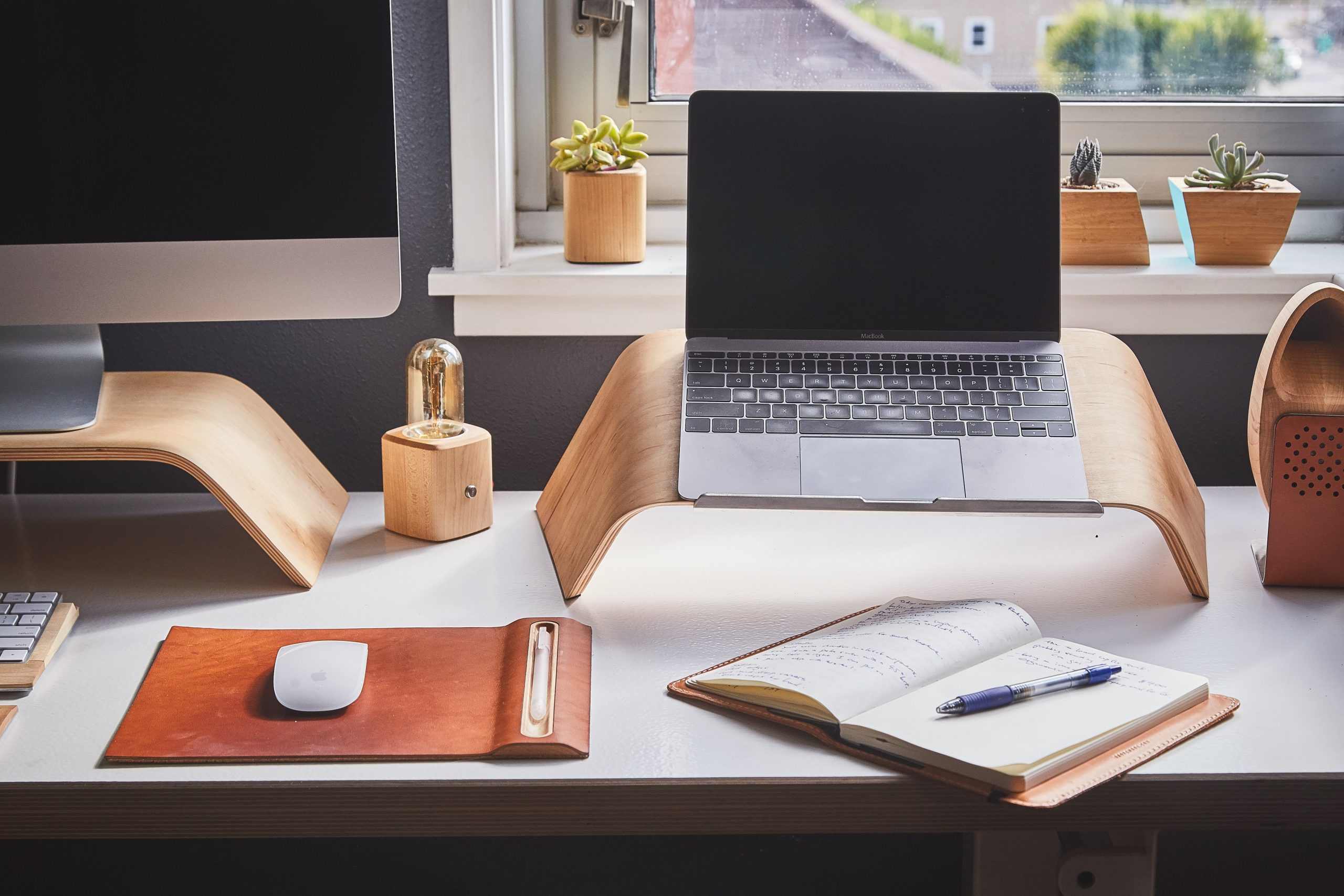
Home offices often come with more plugged-in devices than we realise.
Monitors, laptops, printers, chargers, speakers, routers, and docking stations can continue drawing power even when not actively in use.
A simple way to reduce unnecessary consumption is to switch multiple devices off at the power point at the end of the day or use a smart power board to better manage connected equipment.
Make the Most of Natural Light
Lighting may not be your largest energy expense, but it still adds up over time.
If possible, position your workspace near natural light during the day rather than relying on overhead lighting for hours at a time. If artificial lighting is needed, LED lighting remains one of the most efficient options.
A well-lit workspace can also improve comfort and productivity.
Upgrade Older Equipment
Older appliances and office equipment are often less energy efficient than newer alternatives.
If your home office setup includes ageing monitors, desktop computers, or printers, upgrading to more efficient devices can reduce long-term power consumption.
The same applies to larger household appliances that may be working harder during the day while you’re at home.
Be Mindful of Kitchen Usage
Working from home often means more coffee breaks, lunches, snacks, and general kitchen activity.
Repeated kettle boils, ovens for single meals, and older appliances can quietly increase energy usage.
Some simple habits that can help:
- only boil the water you need
- batch prepare meals where practical
- use efficient appliances like microwaves or air fryers for smaller meals
- avoid unnecessary appliance use during the day
Shift Energy Usage Where Possible
If you have solar installed, daytime is often the ideal time to make use of your system’s energy production.
Running appliances such as dishwashers, washing machines, or charging devices during solar generation hours can help maximise self-consumption and reduce reliance on grid electricity.
Even without solar, understanding when and how you use energy can help you make more informed decisions.
Check Your Device Settings
Small settings changes can add up over time.
Useful adjustments include:
- enabling sleep mode on computers and monitors
- lowering screen brightness
- disabling unused peripherals
- shutting down devices fully when finished
- using energy-saving settings where available
These are quick wins that can improve efficiency without affecting productivity.
Review Your Energy Setup
If your household energy use has changed significantly compared to a few years ago, your current energy setup may no longer be the best fit.
Changes like hybrid work, electric appliances, growing families, or higher daytime usage can all shift your energy needs.
Reviewing your electricity usage patterns, tariff structure, or solar setup can help ensure your home energy system is working as efficiently as possible.
Final Thoughts
Saving power while working from home doesn’t require major lifestyle changes. A handful of smarter habits, more efficient equipment, and better timing around energy use can make a meaningful difference over time.
As electricity costs continue to rise, understanding how your household uses power is one of the simplest ways to take greater control of your energy bills.